
Fiery Tiia, Sunbeam Piret, Nightshade Õie
Some ideas sit at the back of your mind for years, waiting for their moment. That is exactly what happened with these parasols.
About ten years ago I was searching online for a completely ordinary umbrella and somehow ended up looking at photographs of crocheted parasols on Pinterest. The idea stayed with me, but I only got round to making one now. Well, the wise do not rush. Or at least that is what I like to tell myself. 😄
When I finally decided to give it a proper try, I searched Pinterest and the rest of the internet for patterns, but in the end I bought them on Etsy. The instructions for the first white parasol were, to be honest, rather dreadful. Half the time it felt as if someone had spilled coffee over the chart and simply lost a few rows. Fortunately I have enough crochet experience that I did not have to abandon it completely.
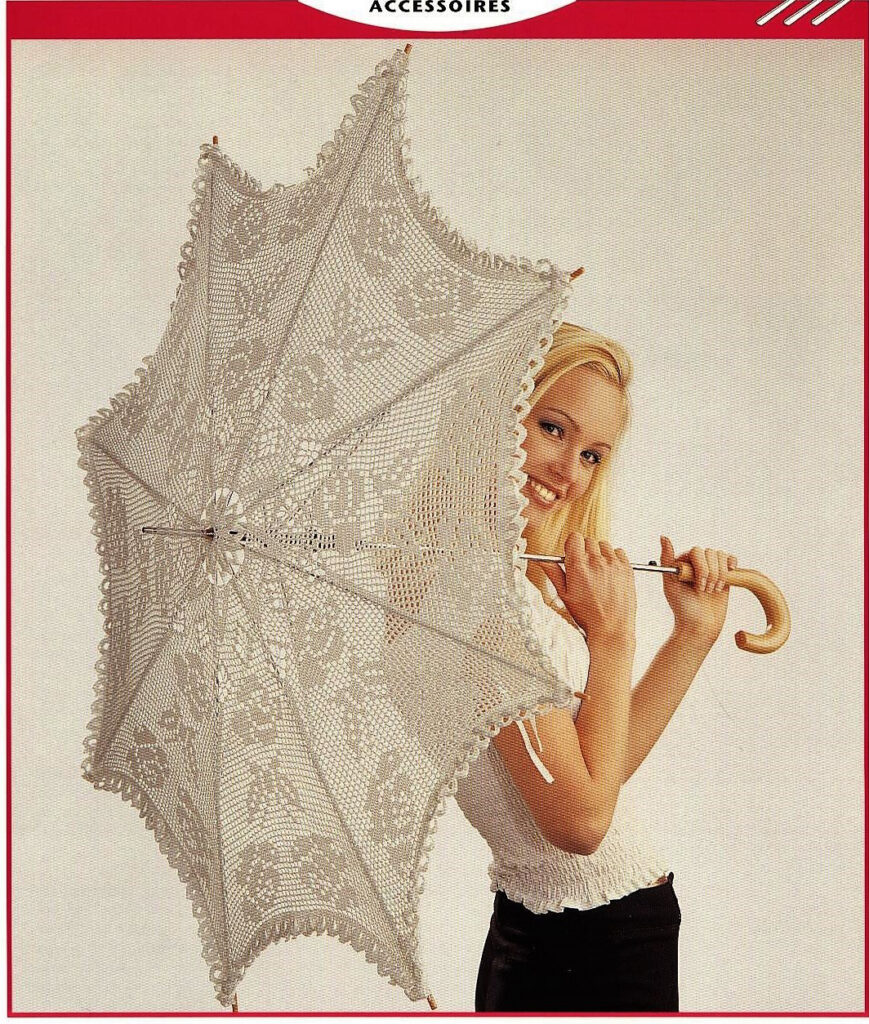
I made the first parasol in classic white. I used Madame Tricote Maxi crochet thread and a 1 mm hook. Getting it onto the frame required some serious stretching, but I think the result turned out rather pretty. Later I realised a slightly larger hook would probably have been better.
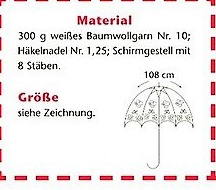
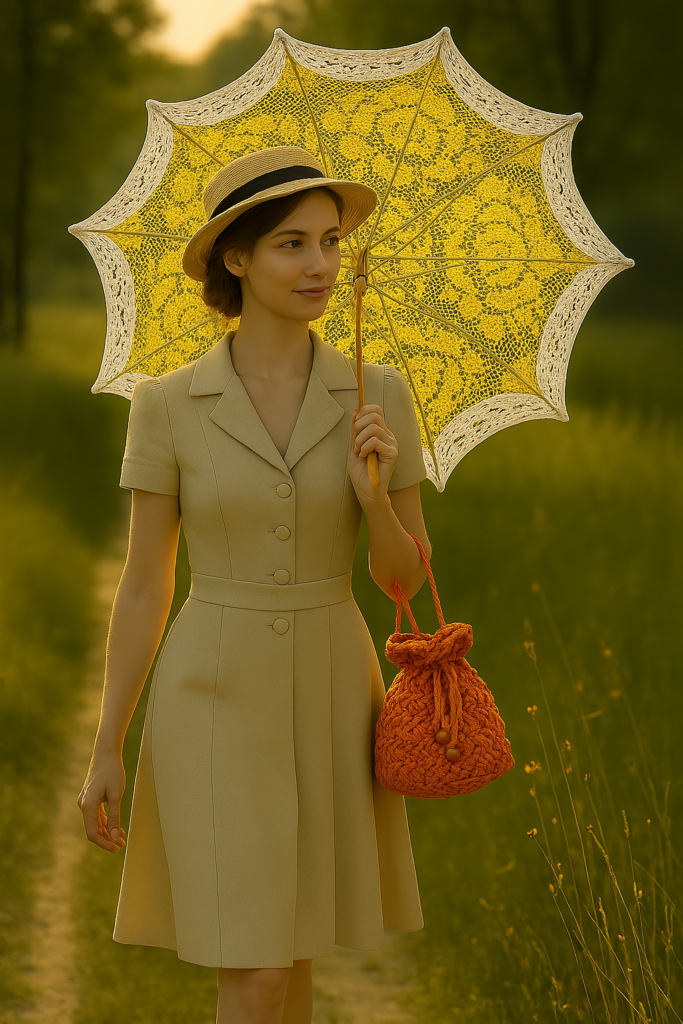
While the white one was still unfinished I was already looking for the next idea. I bought the second pattern on Etsy too, but at least this one was clear and readable. It recommended No. 10 crochet cotton and a 2.25 mm hook. I stayed with my Madame Tricote Maxi and this time used a 1.75 mm hook.
The second parasol came out much larger. So large that I actually had to buy a men’s umbrella frame. 😄
I had only two balls of yellow thread and that would not have been enough for the whole parasol, so I decided on yellow and white. I crocheted the edge in two colours: one square yellow, the next white. I carried the unused thread along inside the work, rather like knitting with several colours. Whether that is the officially correct technique I have no idea, but it worked well and gave the edge a pleasantly ruffled look.
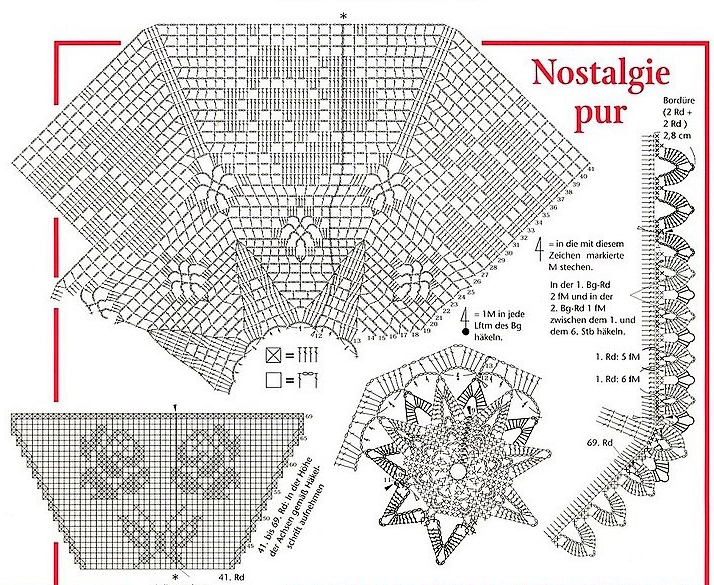
These parasols are crocheted in filet crochet, with roses and butterflies in the patterns. I actually prefer working from charts, although the patterns also included row-by-row instructions in English. There were still a few places that required some thinking. Row 9 of one chart, for example, was so confusing that I stared at it for ages before finally deciding simply to try something. Fortunately it worked. 😄
Once the crochet is finished, a second job really begins. The old fabric has to be removed from the umbrella, the frame cleaned, and the finished crochet stretched to the right size. I used safety pins, glue and a little patience for attaching it. The patience is what you need most of.

First, of course, the crochet itself had to be made. I prefer working from a chart, although the pattern also has row-by-row instructions, all in English.
Start with a ring of 15 chain stitches and work 32 treble stitches into it.
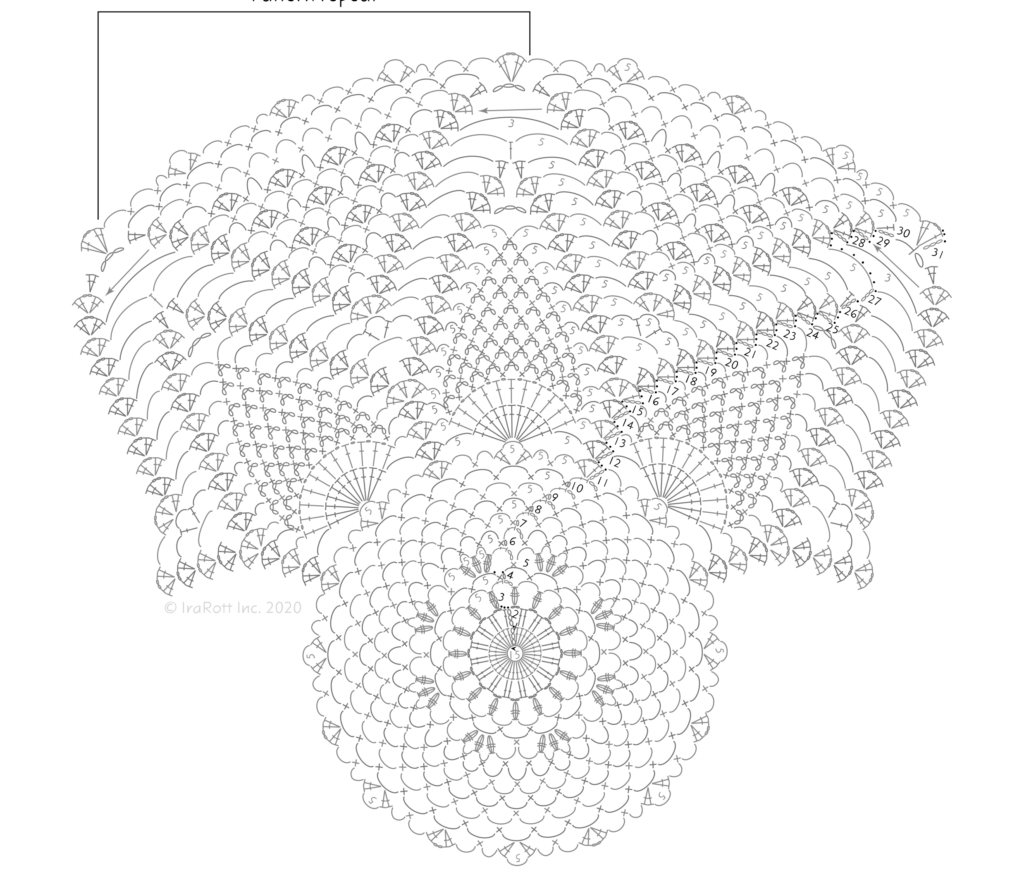
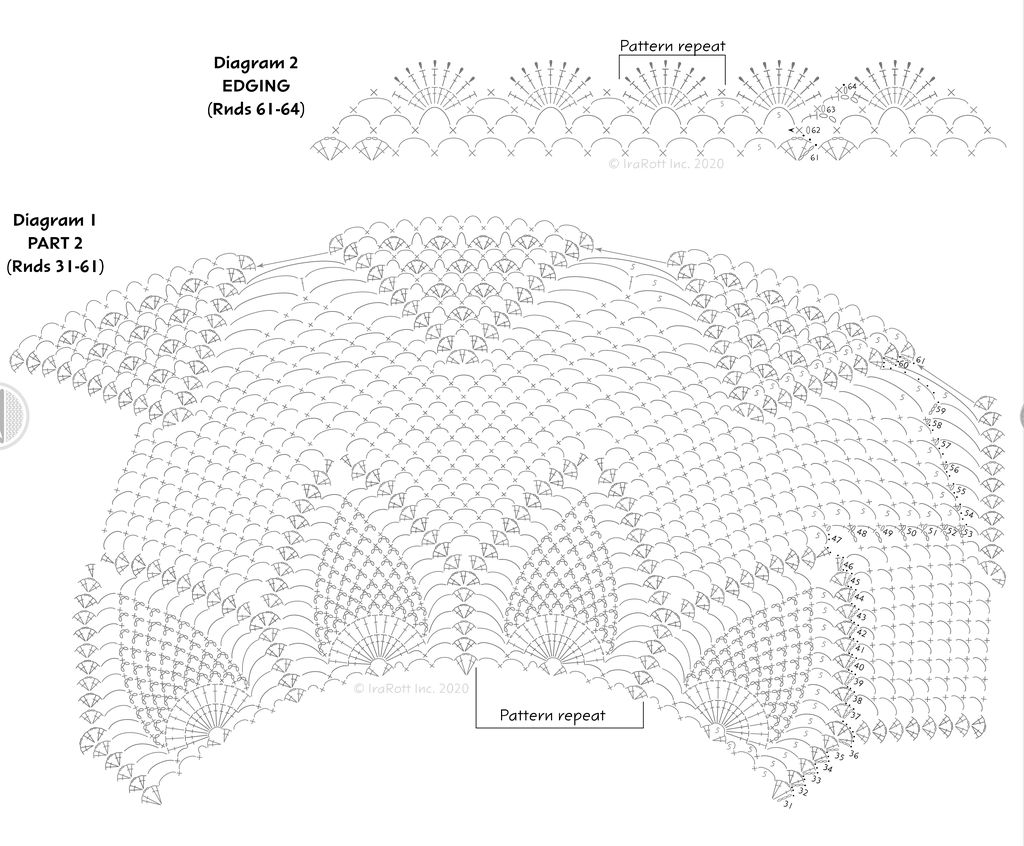
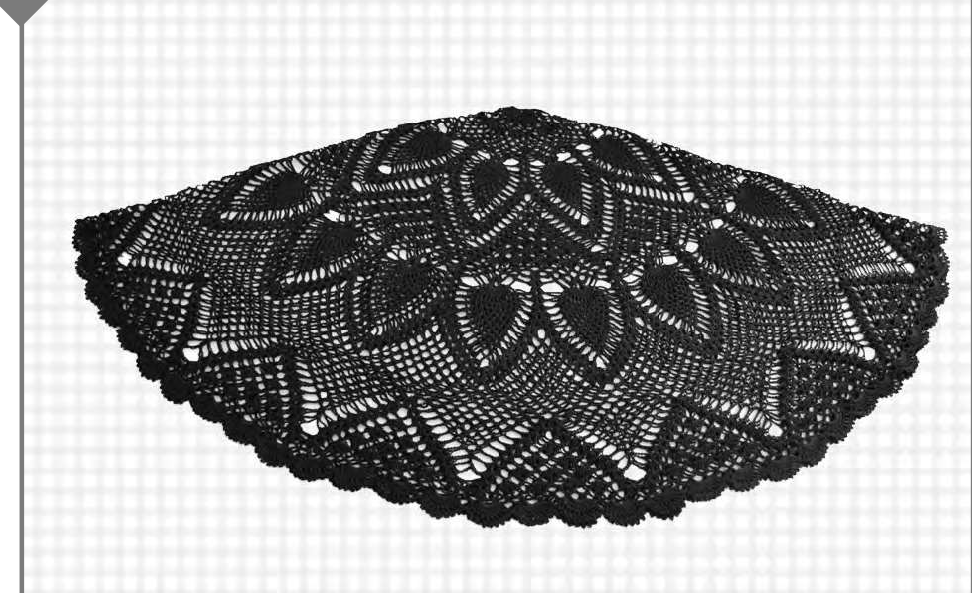
The finished piece does not lie flat like a tablecloth, but has a slight curve.
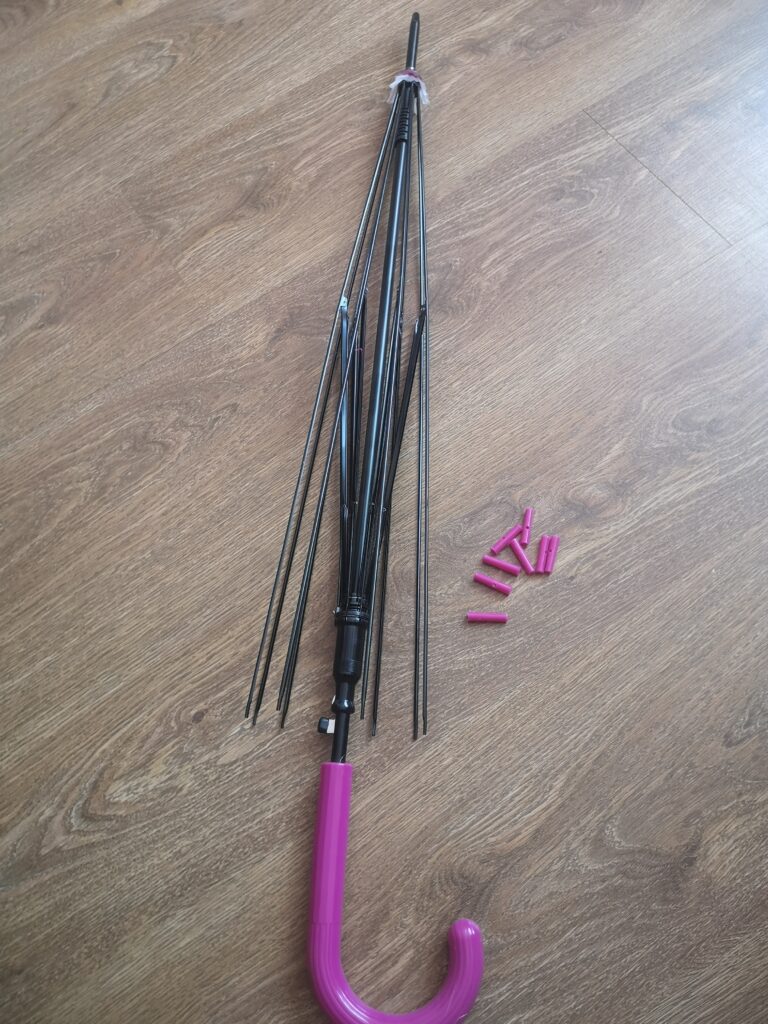
Once the crochet is finished, it is time to deal with the umbrella. First the fabric has to come off. I cut the threads at the tips with scissors. A razor blade is easier if used carefully. The end tips are reused.


Now the washed and blocked crochet can be fitted to the frame. The finished piece should extend just slightly beyond the edge of the closed mechanism.
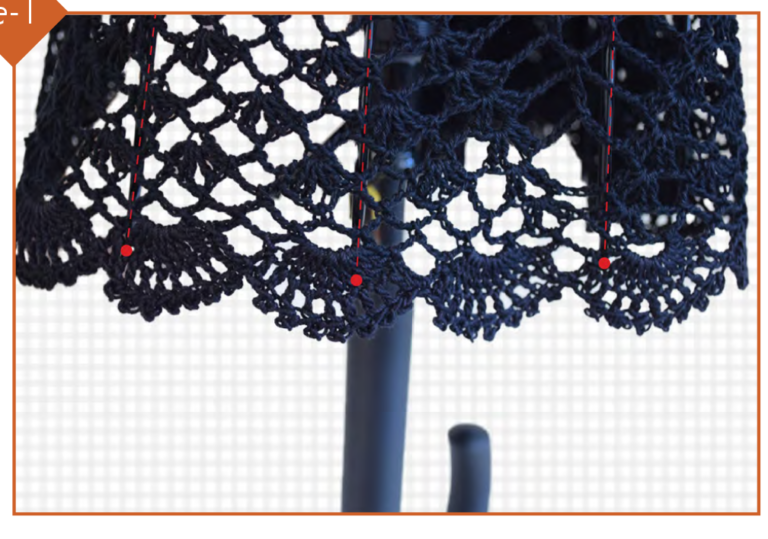
Now divide the crochet into eight equal sections and hold the tips in place with crochet hooks.
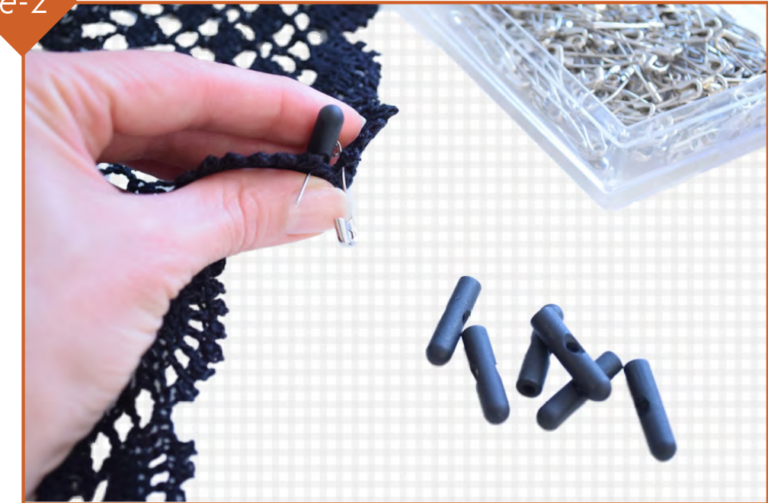


Once I had checked everything, I removed the crochet from the frame and sewed the ends closed.
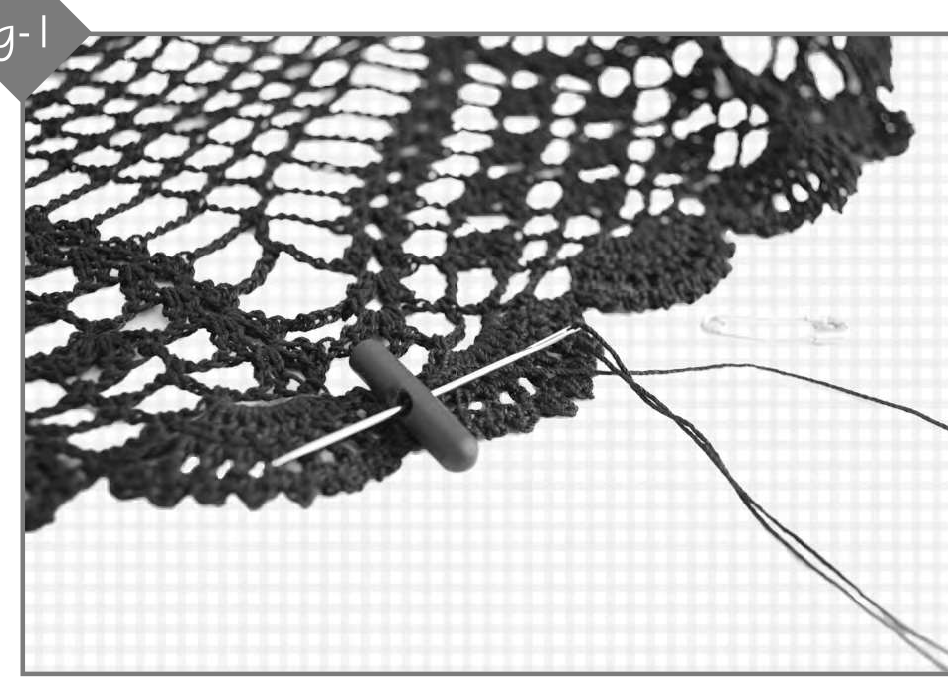
With that done I put it back on the frame and fitted the tips onto the mechanism. Then, with the umbrella open, I took each tip off again one by one, put a drop of glue inside it, I used ordinary superglue, and pushed it back onto the end of the rib. I held it for a moment to dry and repeated the process with the rest. The glue is needed so that the tips stay firmly in place when the parasol is closed.
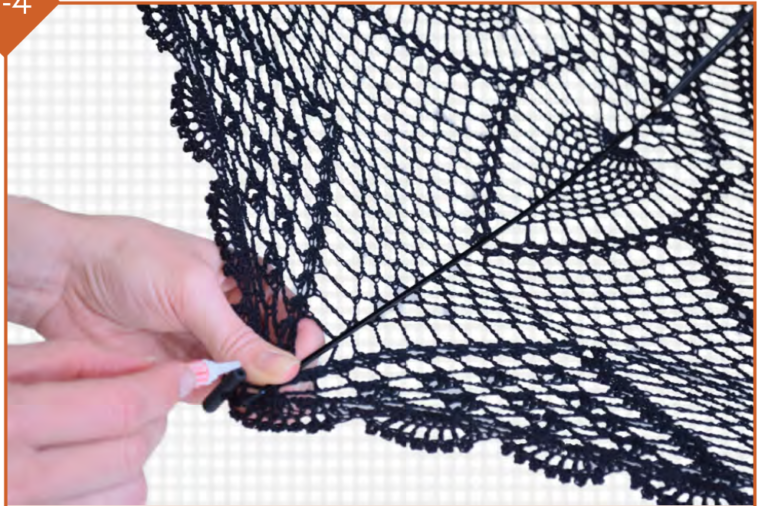
In the middle I also secured the crochet to the ribs with a couple of stitches.
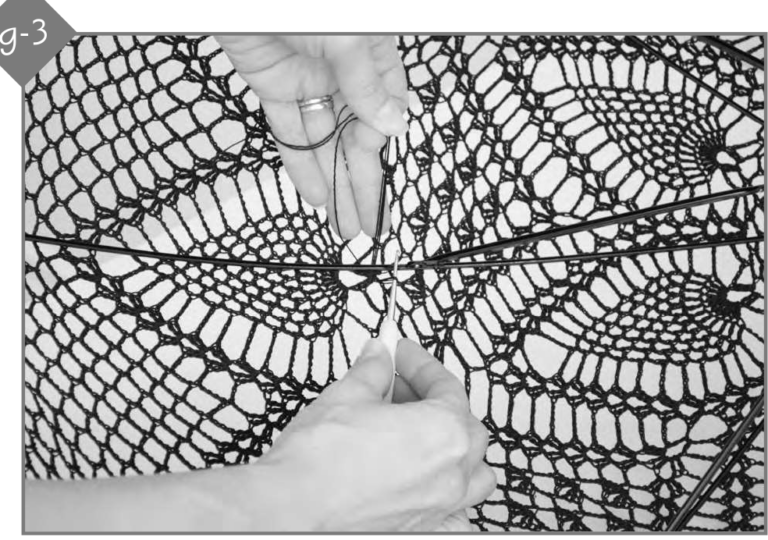
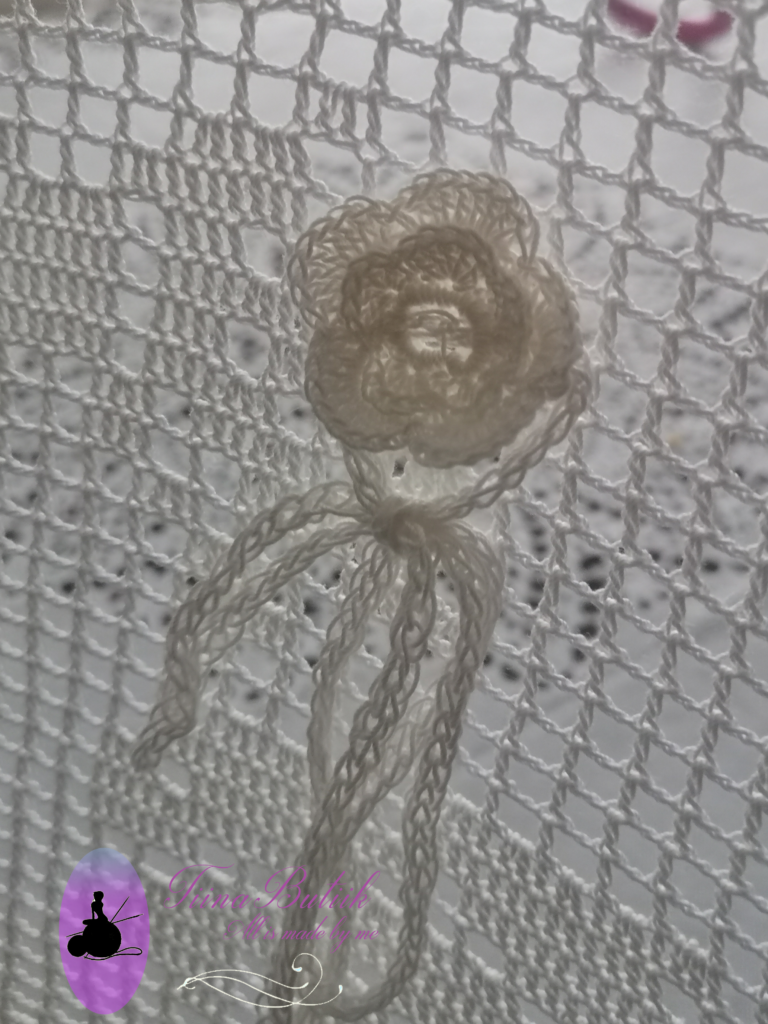
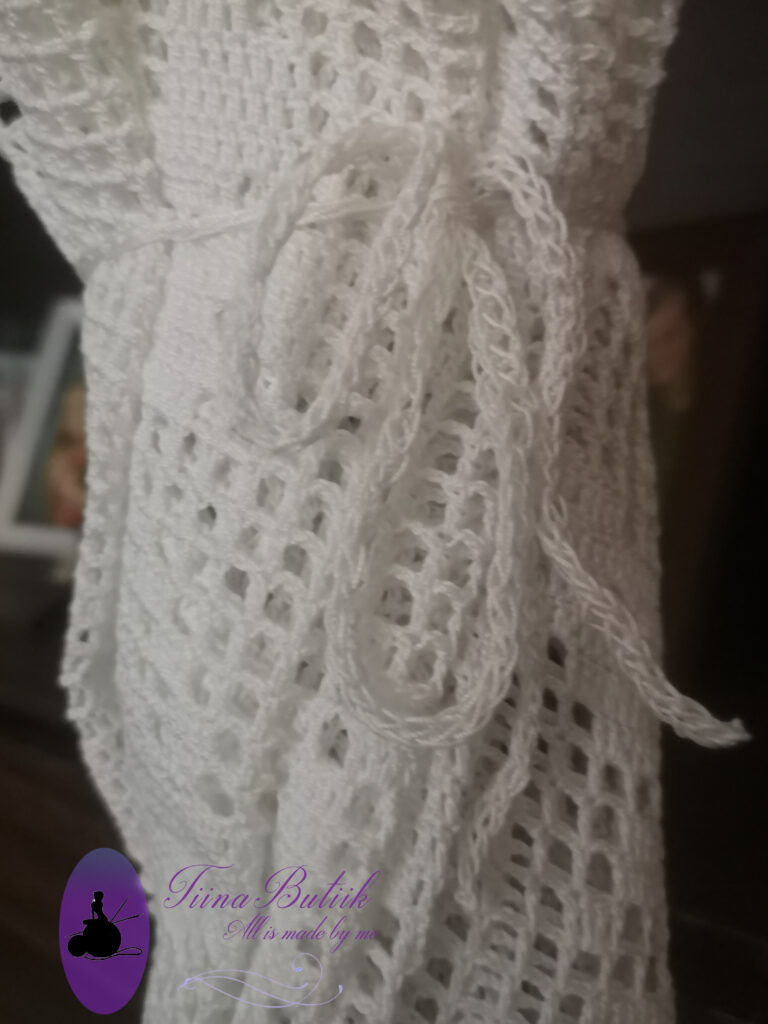
Basically the parasol is now finished. I also crocheted a flower and a cord.

I took the idea for the crocheted cord from the Drops website. It could just as well be crocheted differently, braided or twisted. This was simply the method I chose.
The most difficult part is actually getting the crocheted piece onto the frame correctly. It needs to keep a slight curve rather than lie completely flat like a tablecloth.
Naturally, later I began to think I should try something larger and more dramatic. That is how the black and red parasols came about.
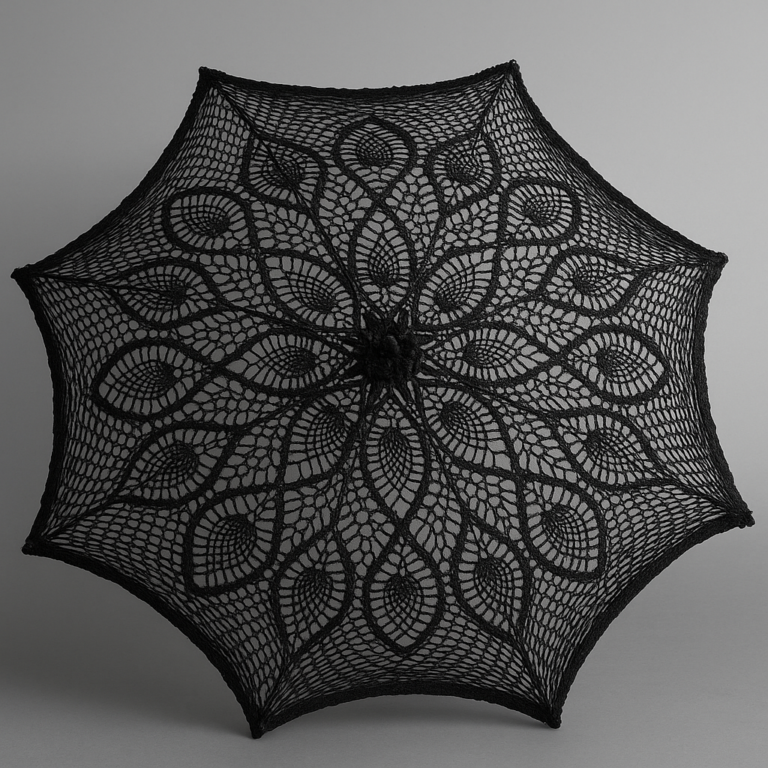
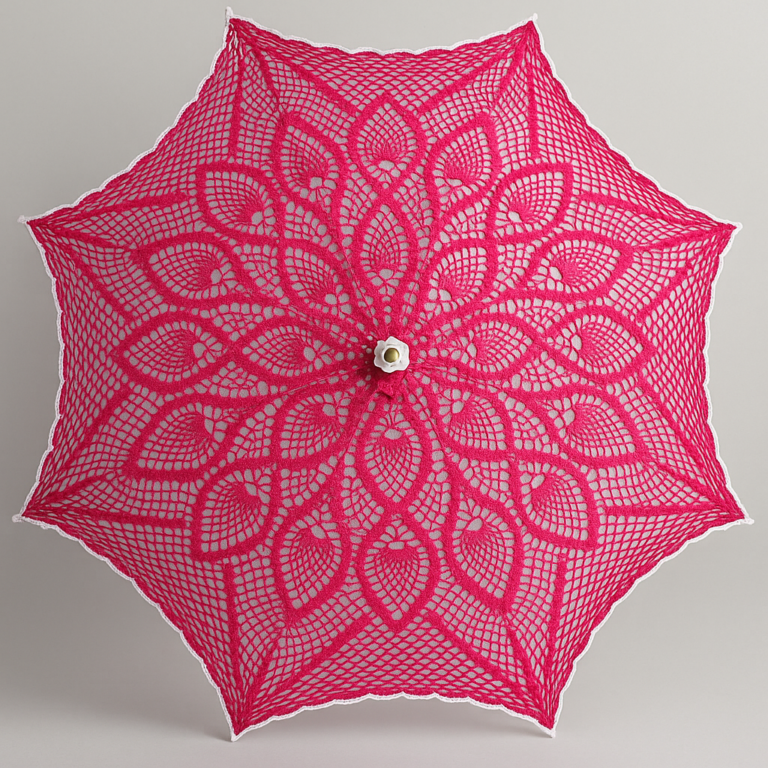
This version became a real eye-catcher. Black and red together have a completely different effect from a light lace parasol. Slightly theatrical, a little romantic and definitely not shy.
These crocheted parasols are not really practical for hiding from the sun. They are more about beauty, atmosphere and that little feeling of something special. For weddings, photo shoots, summer events, or simply to make an ordinary day a little less ordinary.
The nicest thing is that every parasol has its own character. The white one is like a wedding day, clean and festive. The yellow and white one reminds me of a sunset on the beach, while black and red is pure drama, for someone who is not afraid of looks or compliments. A crocheted parasol may not keep much sun off, but it can make you feel special, and that is exactly the point of handicraft: to bring joy, not to hide.
If you are planning a wedding, photo shoot or summer fair, think of it as the extra detail that makes the moment memorable. A parasol can be adapted in colour and pattern to suit your dress, mood and occasion. Every one of these is crocheted by hand and each is unique. It is a good example of how an old craft tradition can meet a modern sense of style.
Handicraft is never only work. It is a feeling left in every stitch. When you hold this parasol, you can feel that it was made by someone with patience and a warm heart. That is how these little wonders are born, adding a little more light and beauty to the world.
What I love about handicraft is that every piece carries the time, thoughts and patience that went into making it. With some pieces you can feel that particularly strongly. These parasols are exactly like that.
Parasol in the shop